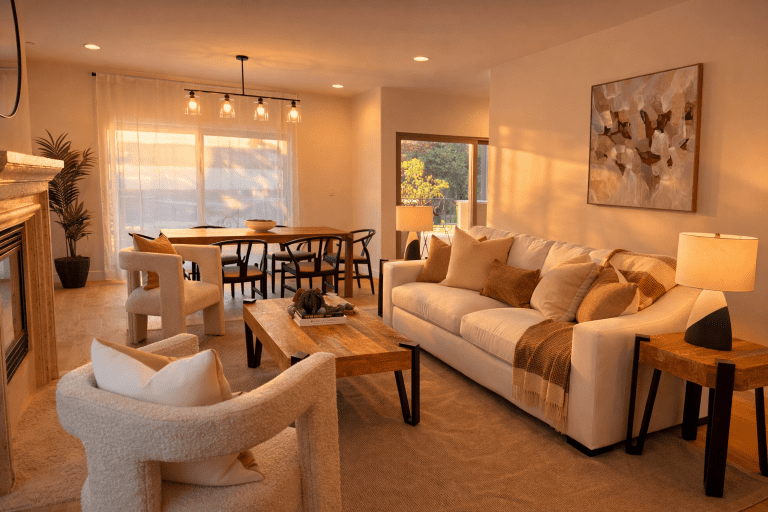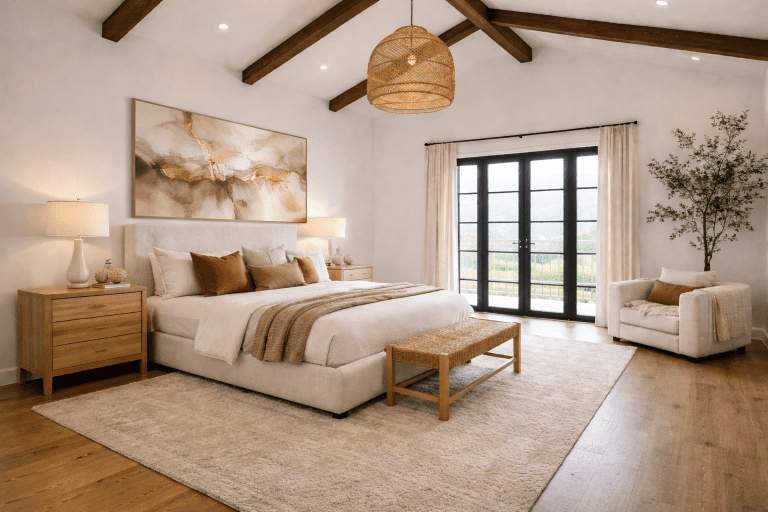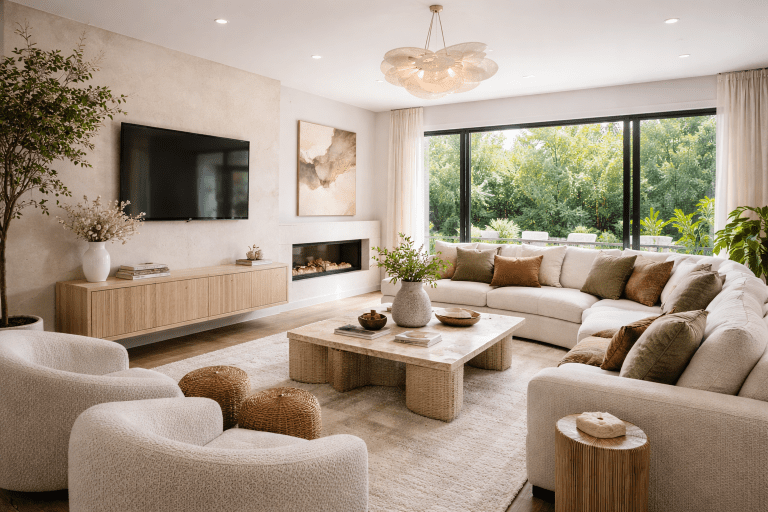
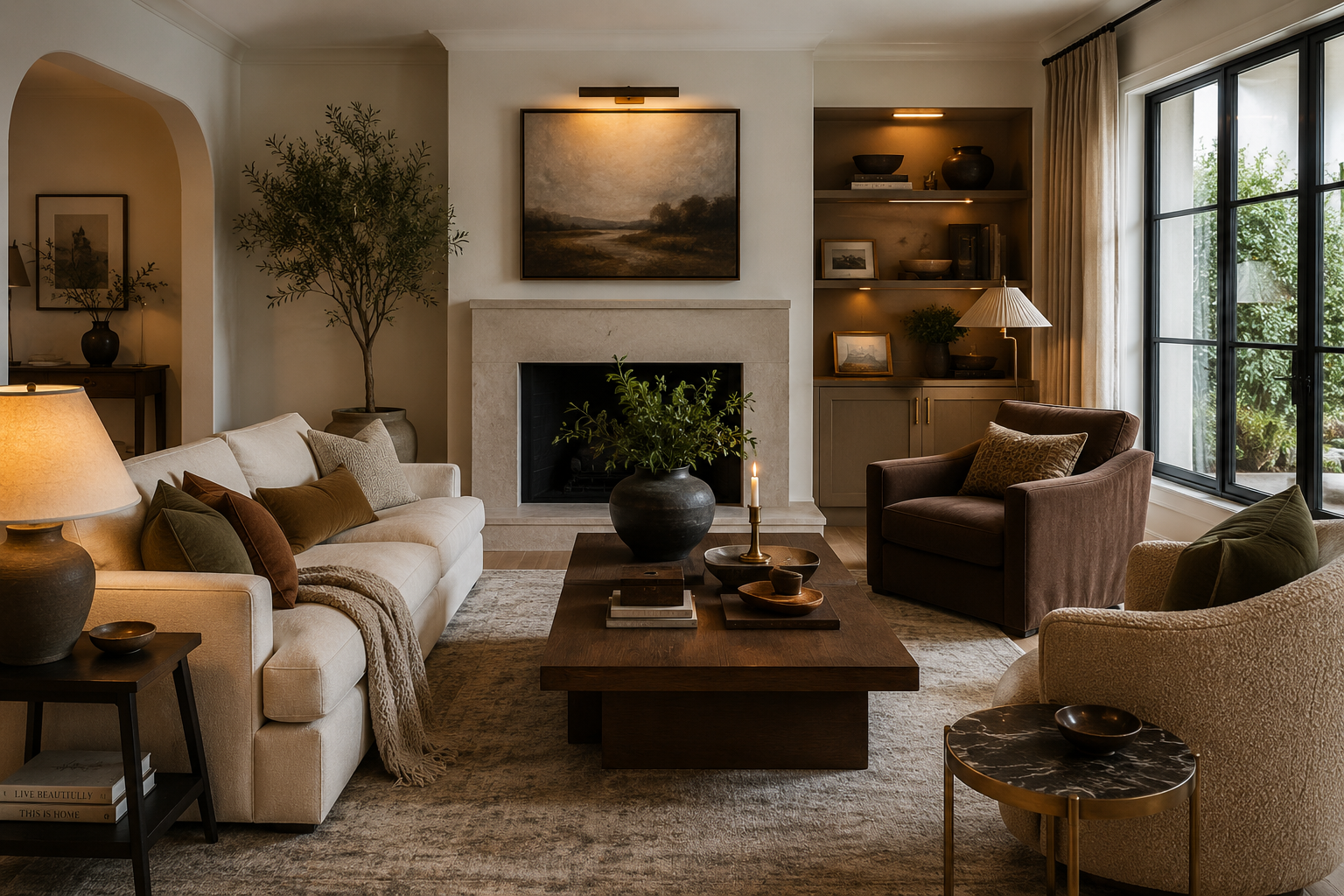
All-white interiors are losing dominance in 2026 as homeowners and buyers gravitate toward warmer, more layered, and more livable luxury spaces. This post explains why texture, natural materials, thoughtful color, emotional connection, and strategic staging are replacing cold perfection — and what that shift means for homeowners, sellers, and real estate professionals.
Schedule a staging consultation to determine the right scope for your property.
For years, the all-white interior was treated like the safest design choice.
White walls. White sofas. Pale oak floors. Minimal accessories. A few black accents. Maybe a brass light fixture. The look photographed beautifully, felt clean, and gave homeowners a sense that they were making a “timeless” decision.
But in 2026, luxury is shifting.
The most compelling homes no longer feel sterile, overly edited, or designed only for a camera. They feel warm. Layered. Personal. Calm. Collected. They still feel elevated, but they also feel human.
This is the rise of warm, lived-in luxury.
And for homeowners, sellers, builders, and real estate professionals, it is an important shift to understand.
The All-White Interior Had Its Moment
All-white interiors became popular for a reason. They made rooms feel bright, open, and visually simple. They were easy to understand. They worked well online. They gave people a formula when design felt overwhelming.
But over time, the look became overused.
What once felt fresh started to feel generic. In many homes, all-white design lost its warmth. Rooms began to look less like intentional spaces and more like showrooms: beautiful, but emotionally flat.
The issue is not that white is bad. A beautiful warm white can still be elegant, classic, and incredibly useful. The issue is relying on white as the entire design concept.
When everything is white, the room has to work harder in other ways. It needs texture, contrast, lighting, architectural detail, art, and meaningful materials. Without those layers, an all-white room can feel cold instead of calm.
That is where the shift is happening.
Buyers and Homeowners Want Spaces That Feel Real
The new luxury home is not just about looking impressive. It is about feeling good to live in.
People want homes that support daily life. They want a primary bedroom that feels like a retreat. A bathroom that feels restorative. A living room that encourages conversation. A reading nook that feels quiet and intentional. A kitchen that feels warm enough to gather in, not just clean enough to photograph.
This is especially important after years of highly polished interiors dominating social media. Many homeowners are tired of spaces that look perfect but feel impersonal.
Warm, lived-in luxury answers that fatigue.
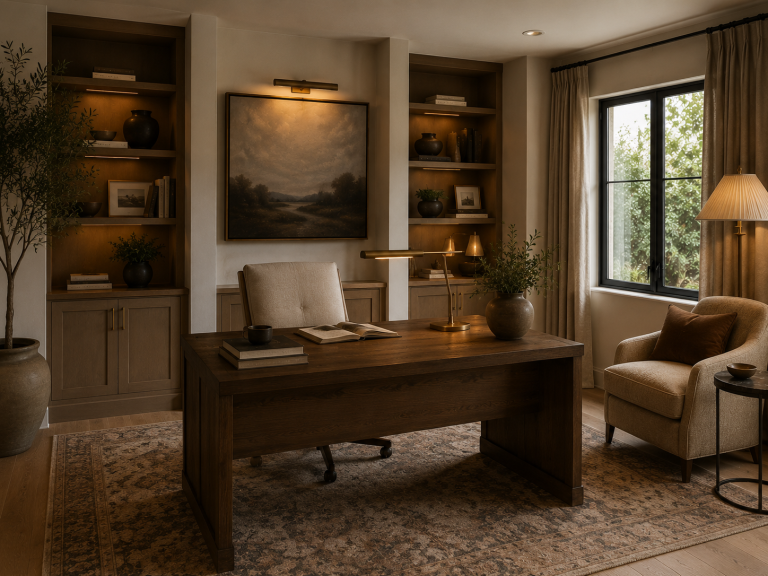
It brings back the things that make a home feel grounded: texture, softness, patina, natural materials, thoughtful color, layered lighting, art, and furniture that looks beautiful but also invites use.
This does not mean cluttered. It does not mean casual to the point of sloppy. It means refined without being rigid.
A warm luxury interior still has discipline. It still has scale, balance, proportion, and restraint. But it also has soul.
See our insights post “What Mistakes Cause Price Reductions in Los Angeles“
Warmth Does Not Mean Beige Everything
One of the biggest misconceptions about warm interiors is that they have to be beige.
They do not.
Warmth can come from many sources: a chocolate brown bedroom, a mushroom-toned wall, a deep plum kitchen, a sage green study, a creamy plaster finish, a cognac leather chair, an antique wood table, a woven shade, or a soft wool rug.
Warmth is not just a color palette. It is a feeling.
It is created through the relationship between materials, light, color, and texture.
A room can be warm with deep color. It can be warm with neutrals. It can be warm with contrast. What matters is that the space feels intentional rather than empty.
This is why stark white and cool gray interiors are losing some of their appeal. They can feel too sharp, too flat, or too disconnected from the way people actually want to live now.
In contrast, warmer tones and natural materials create a sense of comfort without sacrificing sophistication.
Expert Insight: Cohesion Is What Buyers Actually Respond To
Buyers don’t consciously evaluate staging room by room—they respond to the overall sense of cohesion. When a home shifts from resolved to unresolved as they move through it, it creates subtle friction. That friction often translates into hesitation, even if they can’t immediately explain why.
Texture Is the New Status Symbol
In the next era of luxury interiors, texture matters more than excess.
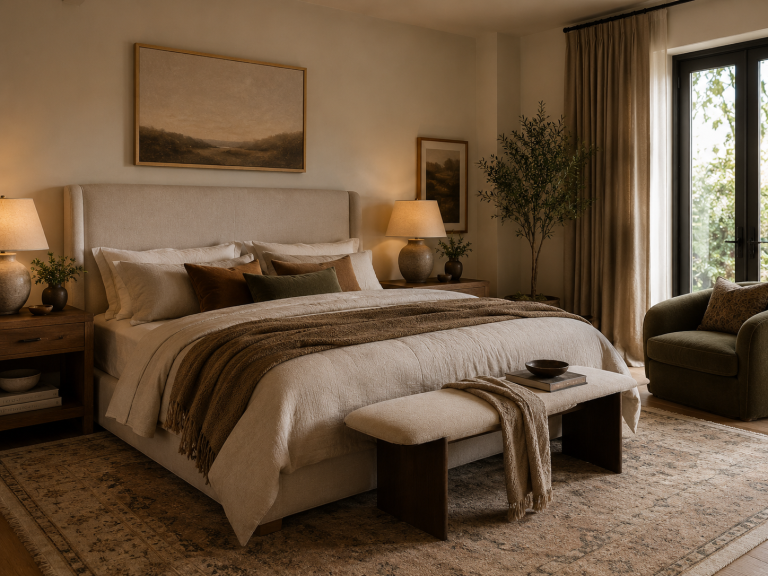
A room does not need to shout to feel expensive. In fact, the most elevated rooms often speak quietly. They use materials that invite touch and create depth: linen, wool, boucle, mohair, plaster, stone, wood, leather, ceramic, and aged metal.
These materials create visual richness without relying on obvious decoration.
That is why a simple room can still feel luxurious when the textures are right. A linen drape, a hand-knotted rug, a honed stone surface, and a beautifully scaled sofa can do more for a space than a dozen trendy accessories.
Texture also helps a room photograph better, which matters for both interior design portfolios and real estate listings. Flat rooms can look lifeless in photos. Layered rooms create shadows, dimension, and atmosphere.
Warm, lived-in luxury is not about filling every corner. It is about choosing materials that make the room feel considered.
Personal Does Not Mean Too Specific
For sellers, there is often a fear that adding personality will hurt resale.
That fear is understandable, but it is also where many homes go wrong.
A home prepared for sale should not feel overly personal to the current owner. But it should not feel completely anonymous either.
The goal is not to erase all character. The goal is to create broad emotional appeal.
Buyers need to imagine themselves living in the home. But they also need to feel something when they walk through the door. If every room is stripped of warmth, color, art, and atmosphere, the home may feel clean, but it may not feel memorable.
This is where thoughtful staging becomes powerful.
The right staging does not simply place furniture in empty rooms. It tells the buyer how the home lives. It shows them where they will unwind, gather, host, work, rest, and retreat.
A warm, layered space creates an emotional bridge. It helps buyers see not just the square footage, but the lifestyle.
Color Is Becoming More Strategic
For years, many sellers were told to paint everything white because it was “safe.”
But safe is not always the same as effective.
In 2026, color is becoming more strategic. Homeowners and buyers are showing more interest in colors that create mood, depth, and comfort. That does not mean every room should be bold. It means the color choices should support the room’s purpose.
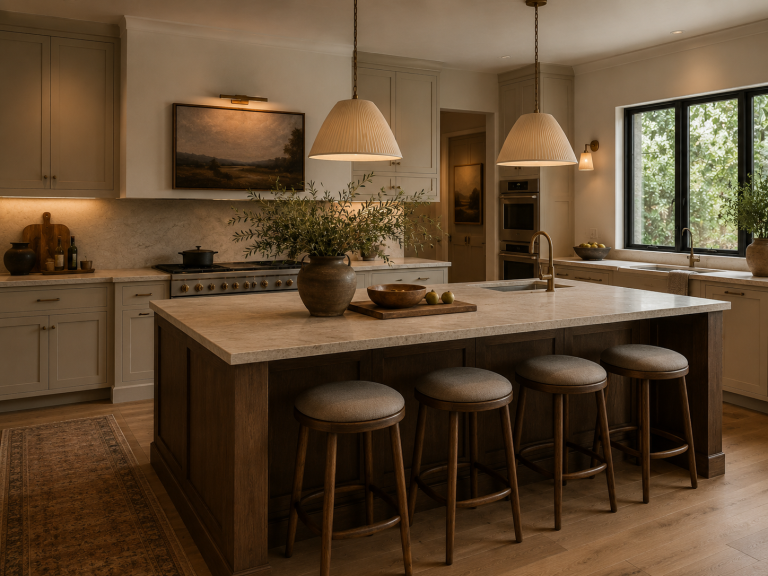
A bedroom can benefit from a deeper, cocooning tone. A living room may feel more inviting with a soft, calm color. A kitchen might feel more elevated with warmth and contrast instead of stark brightness. A bathroom may feel more spa-like when the materials and colors feel soothing rather than clinical.
The key is intention.
Color should not be chosen because it is trendy. It should be chosen because it improves the experience of the space.
For sellers, this is where professional guidance matters. The wrong color can distract buyers. The right color can create connection, make a room feel more expensive, and help the home stand out in a crowded market.
The New Luxury Is Emotional
The biggest design shift is not really about white walls versus colored walls.
It is about emotion.
The old version of luxury often focused on perfection. The new version focuses on presence.
A luxury home should still feel polished, but it should also feel livable. It should be beautiful, but not untouchable. It should have style, but not feel like it was copied from a showroom.
Warm, lived-in luxury makes room for beauty and comfort at the same time.
It allows a home to feel elevated without feeling cold. It allows a room to feel designed without feeling staged. It values craftsmanship, materiality, and atmosphere over quick visual trends.
That is why this movement has staying power.
It is not just another aesthetic. It is a response to how people want to live now.
What This Means for Homeowners
If you are designing your home, this shift is an invitation to slow down and make better decisions.
Instead of asking, “What is the trend?” ask:
- Does this room feel good to be in?
- Does the lighting support the mood I want?
Are the materials adding depth? - Does the furniture fit the scale of the room?
- Is there enough contrast
- Does the space feel like me, but in an elevated way?
A warm, lived-in home is not created by buying more decor. It is created by making the right foundational decisions first: layout, lighting, scale, color, materials, and quality pieces that can last.
The accessories come later.
What This Means for Sellers
If you are preparing a home for market, this shift matters even more.
Buyers make emotional decisions quickly. They may justify those decisions with logic later, but the first response is often a feeling.
- Does the home feel calm?
- Does it feel cared for?
- Does it feel current?
- Does it feel like a lifestyle they want?
Staging should help create that feeling.
That does not mean making the home overly decorated. It means creating warmth, clarity, and aspiration. It means helping each room communicate its purpose. It means knowing when to stay neutral and when to add just enough color, texture, or contrast to make the home memorable.
The best staged homes do not feel staged. They feel ready.
Strategic Design Takeaways
The shift toward warm, lived-in luxury is not just a style trend. It is a smarter way to think about how homes are designed, styled, and presented.
For homeowners, it means moving away from rushed decorating decisions and focusing on spaces that feel layered, personal, and lasting.
For sellers, it means understanding that buyers are not only evaluating square footage, finishes, and location. They are also responding to atmosphere. A home that feels warm, cared for, and emotionally inviting can create a stronger first impression than one that simply feels clean and neutral.
For real estate professionals, it means staging should not be treated as an afterthought. The right staging strategy can help a listing feel more current, more elevated, and more memorable.
Warm, lived-in luxury works because it balances aspiration with comfort. It gives people a vision of how they want to live, not just what they want to buy.
FAQs
Are all-white interiors going out of style?
Not completely. White interiors can still be beautiful, classic, and timeless when they are done well. What is changing is the overuse of stark white rooms that lack texture, warmth, contrast, or personality. In 2026, the strongest interiors are moving toward more layered, comfortable, and emotionally engaging spaces.
Is white paint still a good choice for resale?
White paint can still be a good resale choice, but it is not automatically the best choice for every home. The right white can make a space feel fresh and open. The wrong white can make a room feel cold, flat, or unfinished. Sellers should consider the home’s architecture, natural light, flooring, finishes, and target buyer before defaulting to white.
What does “warm, lived-in luxury” mean?
Warm, lived-in luxury is an elevated design approach that feels refined but not sterile. It often includes natural materials, layered textures, thoughtful lighting, comfortable furniture, collected pieces, art, and colors that create depth. The goal is a home that feels beautiful, calm, and genuinely livable.
Does lived-in luxury mean cluttered?
No. Lived-in luxury is not clutter. It is intentional layering. A room can feel warm and personal while still being edited, organized, and sophisticated. The difference is that the space feels human instead of overly staged or impersonal.
What colors are replacing all-white interiors?
Warmer neutrals, soft earth tones, deep browns, muted greens, mushroom tones, warm taupes, plaster-like creams, and moody accent colors are becoming more popular. The best color depends on the room, the light, and the purpose of the space. The goal is not to chase color trends, but to choose colors that support the feeling of the home.
How can I make my home feel warmer without completely redesigning it?
Start with lighting, textiles, and texture. Swap harsh bulbs for warmer light temperatures, add layered lighting, introduce natural materials, use richer textiles, and consider art or accessories with more depth. A rug, drapery, pillows, wood tones, or a warmer wall color can change the feeling of a room without requiring a full renovation.
How does this trend affect home staging?
Staging is becoming less about filling rooms with neutral furniture and more about creating emotional connection. Buyers need to understand how a home lives. Warm, thoughtful staging helps them imagine relaxing, entertaining, working, and gathering in the space. The best staging feels aspirational but still believable.
Should sellers avoid personality when staging a home?
Sellers should avoid overly personal details, but that does not mean the home should feel anonymous. A staged home still needs warmth, art, texture, and atmosphere. The goal is broad emotional appeal: enough personality to make the home memorable, but not so much that buyers feel like they are walking through someone else’s private life.
What is the biggest mistake homeowners make with this look?
The biggest mistake is thinking warmth means buying more accessories. True warmth comes from the foundation of the room: layout, lighting, scale, materials, color, and quality furnishings. Accessories help, but they cannot fix a room that lacks a clear design plan.
How can KMW Interiors help create this look?
KMW Interiors helps homeowners and sellers create spaces that feel elevated, intentional, and livable. Whether you are redesigning a room, preparing a home for sale, or trying to make your property feel more current, thoughtful design can help your home feel warmer, more polished, and more connected to the way people want to live now.
Serving Los Angeles
KMW Interiors provides design-driven home staging across West Los Angeles, the South Bay, and select Valley neighborhoods—helping properties present with clarity, cohesion, and confidence.