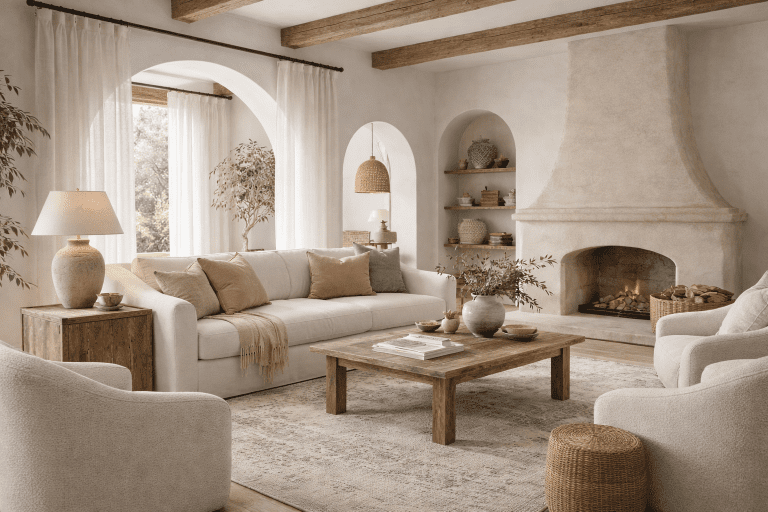
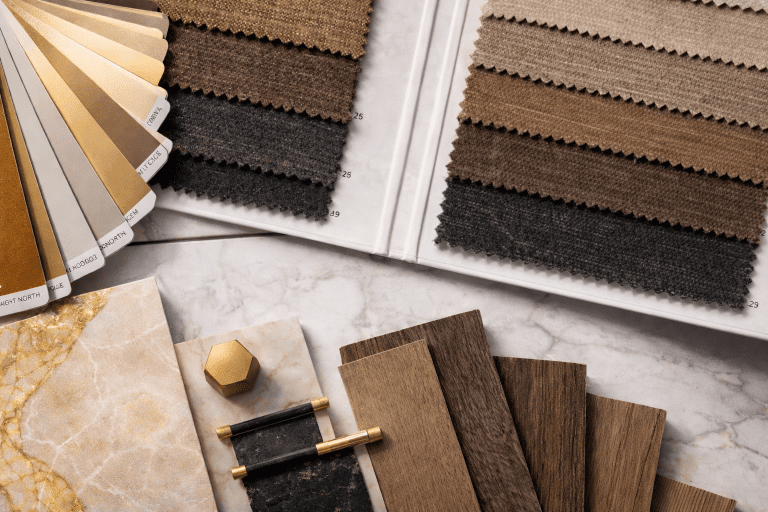
The ideal time to hire an interior designer is after you’ve lived in your new home long enough to understand how it functions—but before making major furniture or finish decisions. Interior design at this stage helps create cohesion, improve flow, and ensure long-term livability without unnecessary renovation.
Why the weeks after closing are a critical window
After purchasing a home, there’s a brief period where you can clearly see what works—and what doesn’t. The layout may be sound, but furniture placement, lighting, scale, or material transitions may feel unresolved.
Hiring an interior designer during this window prevents piecemeal decisions and creates a clear, cohesive plan before investments are locked in.
Signs you need interior decoration—not renovation
If walls don’t need to move but the home still feels incomplete, interior design—not construction—is likely the right solution. Many newly purchased homes require refinement rather than demolition.
Common indicators include:
Rooms that feel disconnected from one another
Furniture that doesn’t relate proportionally to the space
Lighting that feels flat or overly harsh
Beautiful finishes that don’t feel cohesive together
Interior design resolves these friction points with proportion, layout clarity, and material harmony.
The best time to hire an interior designer after buying
Most homeowners benefit from hiring a designer within the first 30–90 days of ownership. This allows enough time to experience the home while avoiding reactive purchases. If you are in escrow and can schedule visits to the space with a designer, it’s even better timing. Planning can happen before you even get the keys.
Engaging a designer early helps:
Establish a whole-home vision
Create a furniture and lighting plan
Avoid costly missteps
Sequence purchases intentionally
Waiting too long often results in layered decisions that require undoing later.
How interior design differs from interior decoration at this stage
Interior design focuses on space planning, proportion, lighting, and the structural flow of rooms. Interior decoration refines surface elements like styling and accessories.
After buying a home, most clients benefit from interior design first—ensuring the foundation is cohesive before decorative layers are introduced.
Why move-in ready doesn’t mean fully resolved
Many luxury homes are marketed as “move-in ready,” yet still lack cohesion once furnished. Builder or previous-owner selections may be neutral, but neutrality alone doesn’t create harmony.
Interior design translates the property you purchased into a home that reflects how you actually live—through curated furnishings, lighting strategy, and thoughtful material continuity.
Checklist: Are you ready for interior design?
☐ You’ve lived in the home long enough to notice friction
☐ You want cohesive decisions instead of room-by-room purchases
☐ You value guidance on scale, lighting, and layout
☐ You want the home to feel finished—not simply furnished
If these resonate, this is the right time to begin.
Mistakes to Avoid
Buying major furniture before establishing a whole-home plan
Solving rooms individually without considering overall flow
Assuming neutral finishes automatically create cohesion
Waiting until frustration builds before seeking guidance
FAQs
When should I hire an interior designer after buying a home?
Ideally within the first 30–90 days, once you understand how the home functions but before making major purchases.
Do I need an interior designer if I’m not remodeling?
Yes. Interior design often focuses on layout, furnishings, lighting, and cohesion—not only structural renovation.
What’s the difference between interior design and interior decoration?
Interior design addresses spatial planning, proportion, and material continuity. Decoration focuses on styling and surface layers.
Can you work with furniture I already own?
Yes. We evaluate existing pieces and integrate or edit them as part of a cohesive plan.
Is interior design worth it for a move-in ready home?
Often, yes. Move-in ready does not always mean resolved or personalized.
How long does a full-service interior design project take?
Timelines vary based on scope, but most projects unfold over several months to allow for planning, sourcing, and installation.
Do you only work on large renovations?
No. Many projects focus on furnishings, lighting, and refinement rather than structural changes.
View some of our client reviews here.
Service Areas
Serving West Los Angeles (Santa Monica, Venice, Culver City, Malibu, Pacific Palisades, Brentwood, Mar Vista, Playa Vista, Del Rey, Westchester, West Hollywood, Beverly Hills, Westwood, Holmby Hills, Bel Air, Hollywood Hills), the South Bay (Manhattan Beach, Hermosa Beach, Redondo Beach, Palos Verdes), and select Valley neighborhoods (Burbank, Sherman Oaks, Studio City).