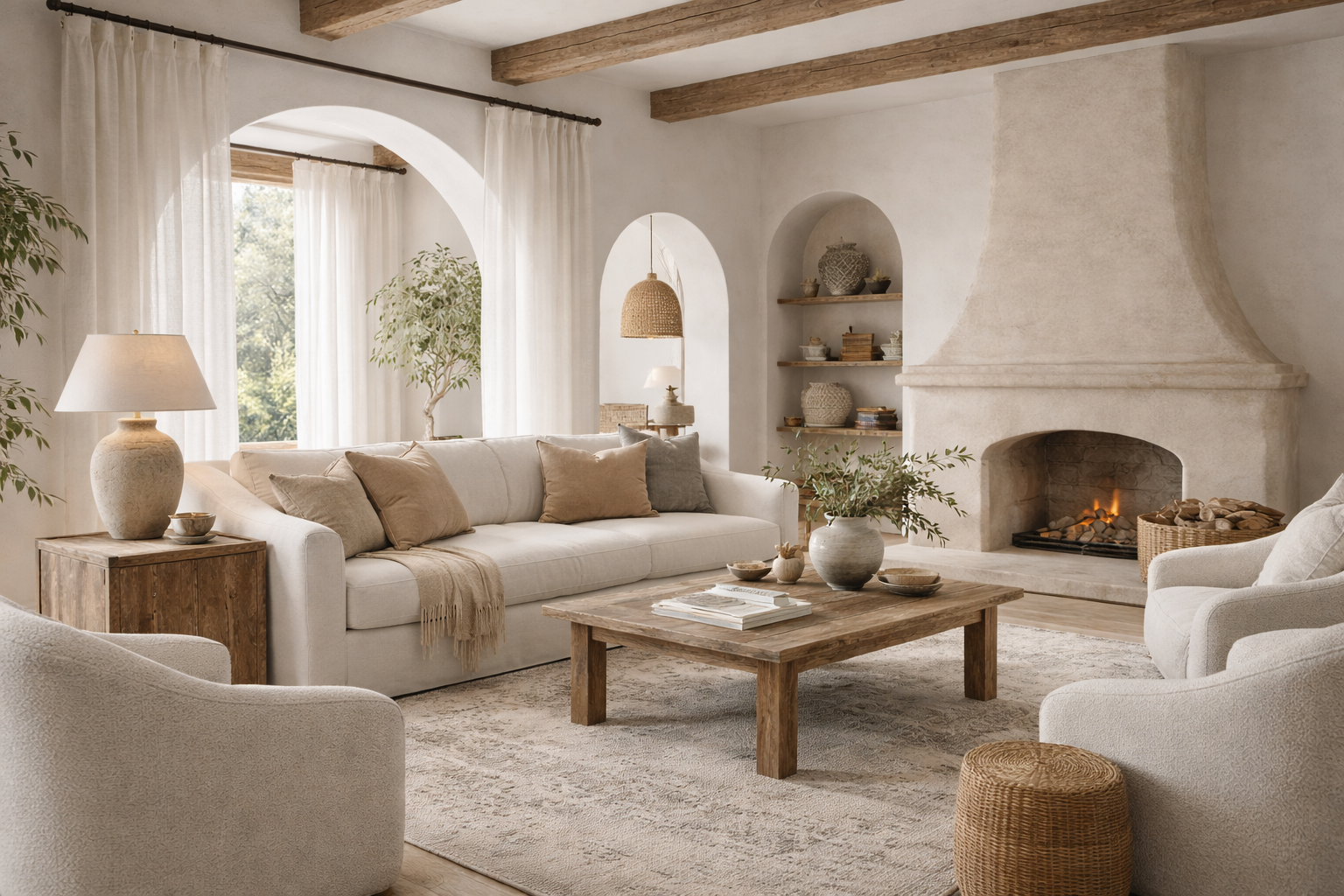
Quiet luxury interiors prioritize proportion, natural materials, restraint, and architectural alignment over trend-driven decoration. In Los Angeles, where light and space define the experience of a home, this disciplined approach continues to feel current, refined, and enduring.
Despite headlines declaring the end of “quiet luxury,” the aesthetic has not disappeared. It has matured.
What buyers and homeowners respond to most is not a trend — it is cohesion
What defines quiet luxury in interior design?
Quiet luxury is defined by restraint, material depth, and calibrated scale.
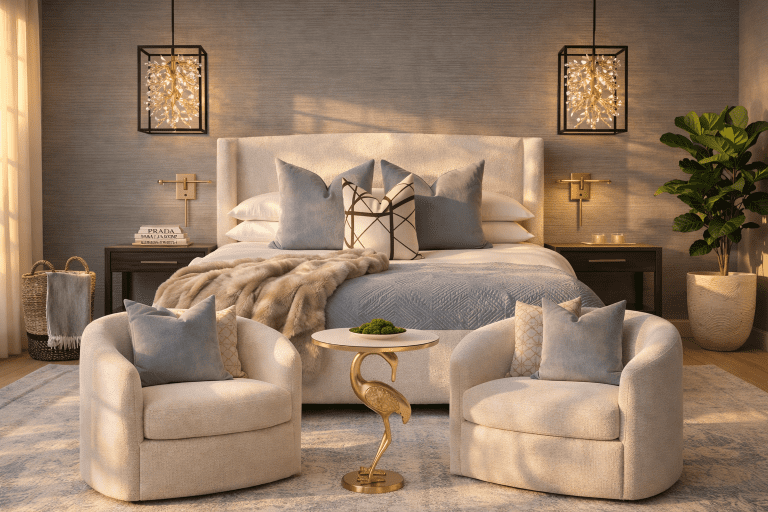
It is not minimalism, and it is not sparse. It is layered, but intentional. Furnishings feel substantial without feeling heavy. Palettes are disciplined but not flat. Texture carries the room before color does.
Core characteristics include:
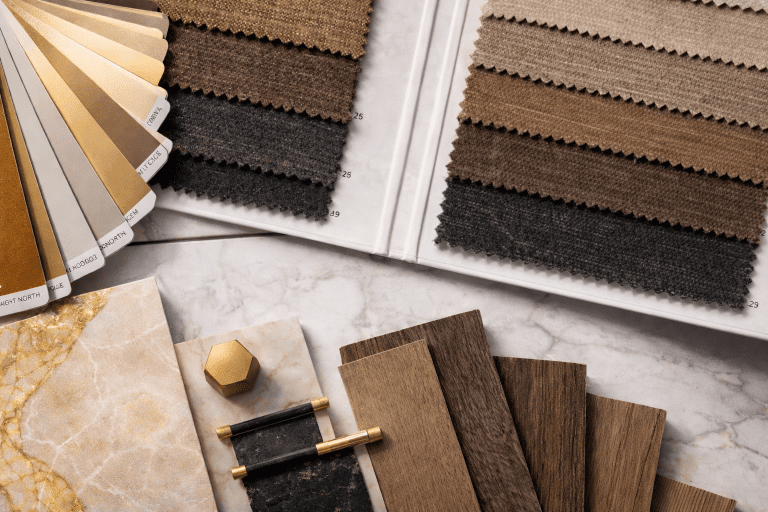
Natural materials (linen, wool, oak, stone, plaster)
Tailored upholstery with clean lines
Architectural lighting layered thoughtfully
Balanced negative space
Subtle tonal variation rather than high contrast
The room feels considered. Nothing competes.
Why does quiet luxury work so well in Los Angeles?
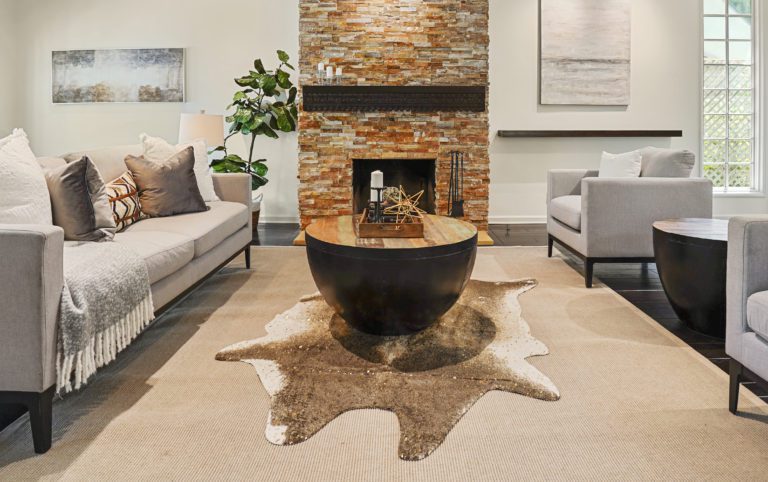
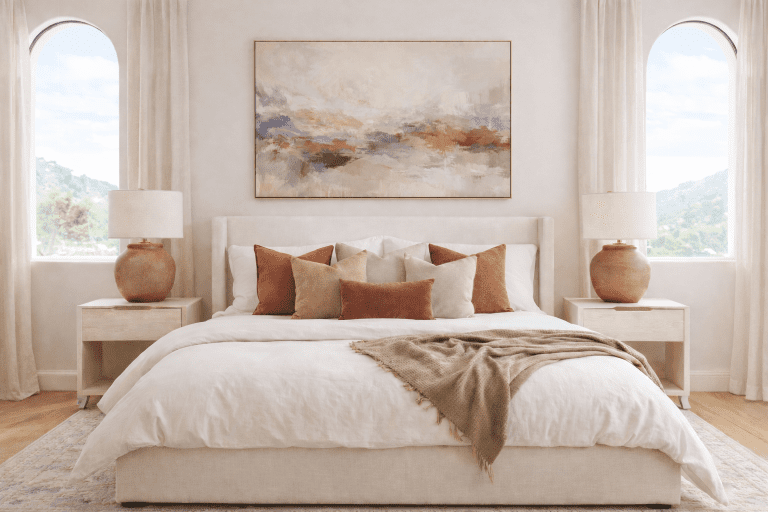
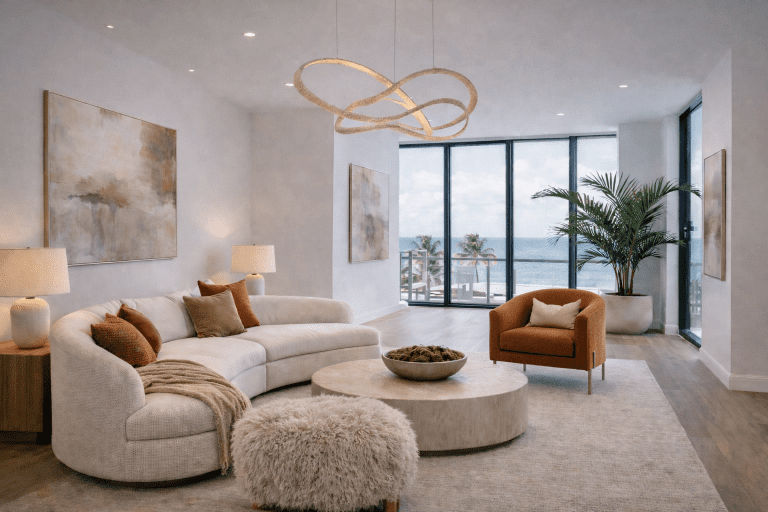
Los Angeles architecture often prioritizes light, indoor–outdoor flow, and spatial openness. Quiet luxury allows these architectural strengths to lead.
In neighborhoods like Brentwood, Pacific Palisades, Manhattan Beach, and Beverly Hills, homes frequently feature:
Expansive glazing
High ceilings
Transitional or modern lines
Outdoor extensions of living space
Over-decoration in these environments interrupts the architecture. Quiet luxury complements it.
Restraint allows light to move. Texture absorbs it. Proportion anchors it.
Is quiet luxury just a trend?
No. While the phrase gained popularity, the design principles behind it are enduring.
Well-scaled furniture, natural materials, and visual calm have long defined elevated interiors. What shifts seasonally are color stories and micro-details — not foundational proportion.
Trend cycles often amplify extremes. Quiet luxury remains steady because it is built on architectural alignment rather than novelty.
How does quiet luxury influence home staging?
In luxury home staging, quiet luxury principles consistently perform well.
Buyers in higher price points respond to:
Calm, cohesive palettes
Substantial but disciplined furnishings
Textural layering over visual noise
Rooms that feel resolved, not overfilled
Staging that leans too heavily into trend can date quickly. Staging rooted in proportion and material balance reads as timeless — and photographs cleanly.
In competitive West Los Angeles and South Bay markets, that clarity matters.
How can homeowners incorporate quiet luxury thoughtfully?
Start with editing.
Before adding anything new, remove what competes.
Then focus on:
Upgrading key anchor pieces (sofa, bed, dining table)
Introducing layered lighting (ambient + task + decorative)
Adding tactile materials (linen drapery, wool rugs, wood accents)
Reducing high-contrast color disruptions
Allowing negative space to remain intentional
Quiet luxury is less about adding — and more about refining.
Checklist: Creating a Quiet Luxury Interior
☐ Evaluate furniture scale relative to ceiling height
☐ Limit palette to disciplined tonal range
☐ Layer at least three textures per primary room
☐ Edit excess décor and small accessories
☐ Use lighting to create warmth in the evening
☐ Ensure visual flow between connected spaces
Mistakes to Avoid
Confusing quiet luxury with emptiness.
Rooms should feel layered, not sparse.Overusing cool neutrals without warmth.
Material depth prevents sterility.Adding trend pieces that disrupt cohesion.
One overly trendy element can shift the entire tone.Underscaling furniture in larger rooms.
Proportion is foundational.
FAQs
What is quiet luxury in interior design?
Quiet luxury is a design approach centered on restraint, natural materials, and disciplined proportion rather than bold trend statements.
Is quiet luxury the same as minimalism?
No. Quiet luxury is layered and warm. Minimalism can be more sparse and reduction-driven.
Are neutral colors required?
No, but color use is controlled and cohesive rather than high contrast or highly saturated.
Does quiet luxury work in modern homes?
Yes. It often enhances modern architecture by allowing clean lines and light to lead.
Is quiet luxury going out of style?
The term may cycle in popularity, but the principles — scale, cohesion, material depth — remain enduring.
How does quiet luxury help with resale?
Calm, cohesive interiors tend to photograph better and appeal to a broader luxury buyer base.
Can quiet luxury feel warm?
Yes. Texture and lighting are key to creating warmth within a restrained palette.
Should outdoor spaces reflect quiet luxury too?
In Los Angeles homes especially, cohesive indoor–outdoor design strengthens the overall presentation.
Service Areas
West Los Angeles (Santa Monica, Venice, Culver City, Malibu, Pacific Palisades, Brentwood, Mar Vista, Playa Vista, Del Rey, Westchester, West Hollywood, Beverly Hills, Westwood, Holmby Hills, Bel Air, Hollywood Hills), the South Bay (Manhattan Beach, Hermosa Beach, Redondo Beach, Palos Verdes), and select Valley neighborhoods (Burbank, Sherman Oaks, Studio City).
View some of our client reviews here.